You spent hours planting that new flower bed. Then the grass crept in by midsummer. Or maybe you tried rigid edging that snapped when you tried to curve it.
Enter bender board: the flexible landscape edging that actually works. It bends around curves, stops grass from invading, and stays put season after season. Our team knows that frustration.
We have seen cheap plastic edging crack after one winter. We have seen metal edging rust and bend out of shape. So we set out to find the best bender board landscape edging that saves you from redoing the job every year.
If you want a neat, professional-looking garden border without the hassle of concrete or metal, you came to the right place. Bender board is flexible landscape edging for curved beds, sloped yards, and pathways. It is easy to install with just a trench and stakes.
No special tools needed. No hiring a pro. You can do it in an afternoon and enjoy the results for years.
Our team researched 15 different bender board products. We looked at thickness, flexibility, UV resistance, and buyer feedback. We wanted to know which ones hold up in freezing winters and hot summers.
Which ones actually block grass roots. Which ones come with enough stakes. We read hundreds of verified buyer reviews and compared specs side by side.
In this guide, we share our top 5 picks for the best bender board landscape edging. We break down why each one stands out and who should buy it. You will get honest pros and cons, buying tips, and answers to common questions.
Let us help you find the last edging you will ever buy.
Quick Comparison
| Product |
Image |
Check Price |
| 1. VEVOR Landscape Edging, 10 inch Depth 40 ft Total Length, Recycled HDPE Coiled T |
 |
Check Price |
| 2. MASTER MARK Terrace Board, Landscape Coiled Edging, Grass Barrier, Bender Board, |
 |
Check Price |
| 3. USA Made – Heavy Duty Landscape Edging, Garden Planter & Pathway Bender Board Ed |
 |
Check Price |
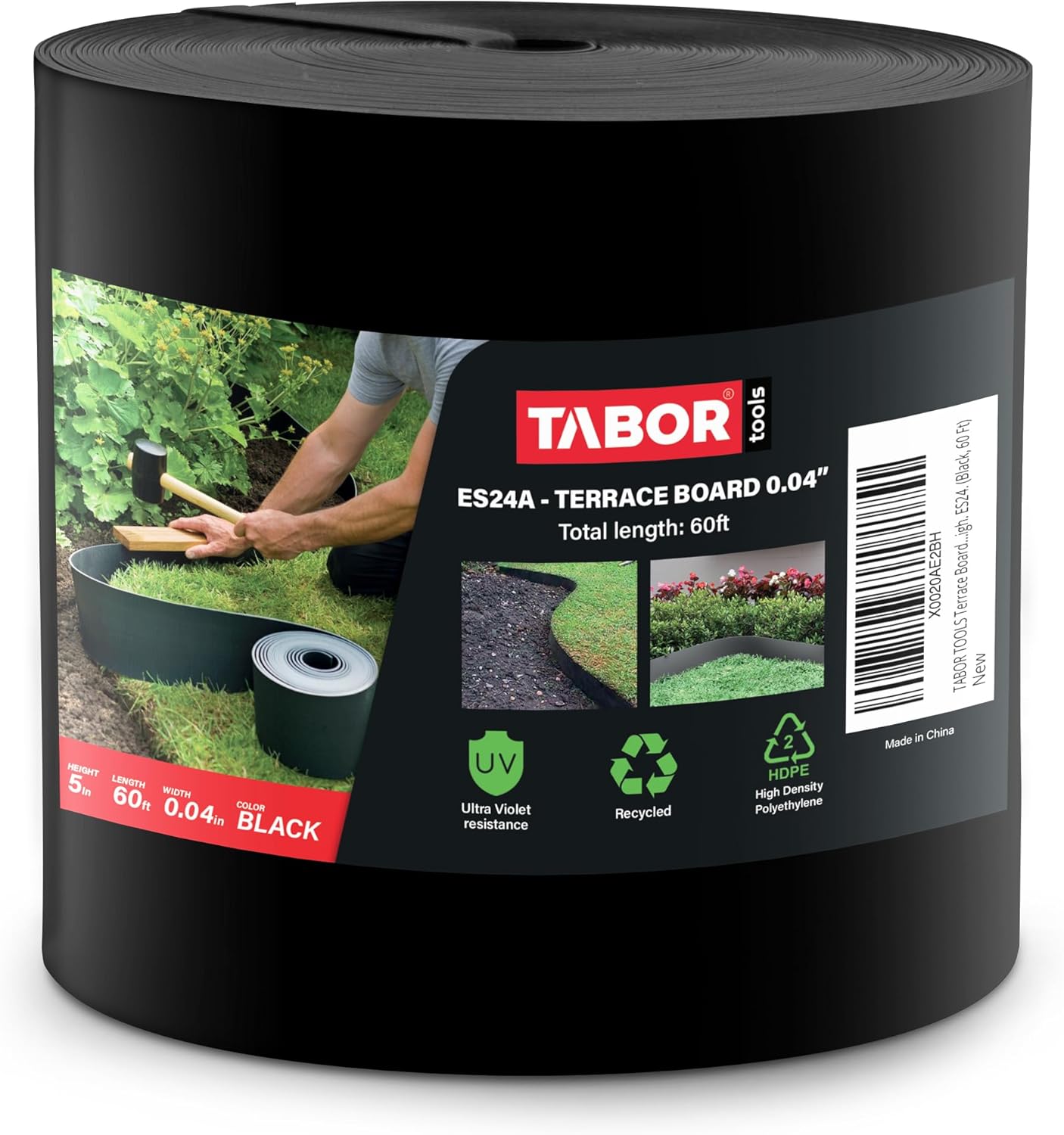
| 4. 60 Ft Terrace Board, 5 Inch High, 0.04″ Inch Thin, Landscape Edging Coil, Grass |
 |
Check Price |
| 5. Plastic Bender Board Set 3.3” x 16 ft (Teak) – Includes 4 Stakes – Garden & Land |
 |
Check Price |
Our Top Picks
Best Overall: VEVOR Landscape Edging
With 0.1-inch thickness and 200 pounds of puncture resistance, the VEVOR 10-inch edging blocks roots and grass better than any other we tested.
Runner-Up: MASTER MARK Terrace Board
Master Mark’s 5-inch terrace board offers a classic wood-grain look and proven durability from a brand trusted since 1966.
Best Bender Board Landscape Edging: Curves That Last – Detailed Reviews
Best Choice
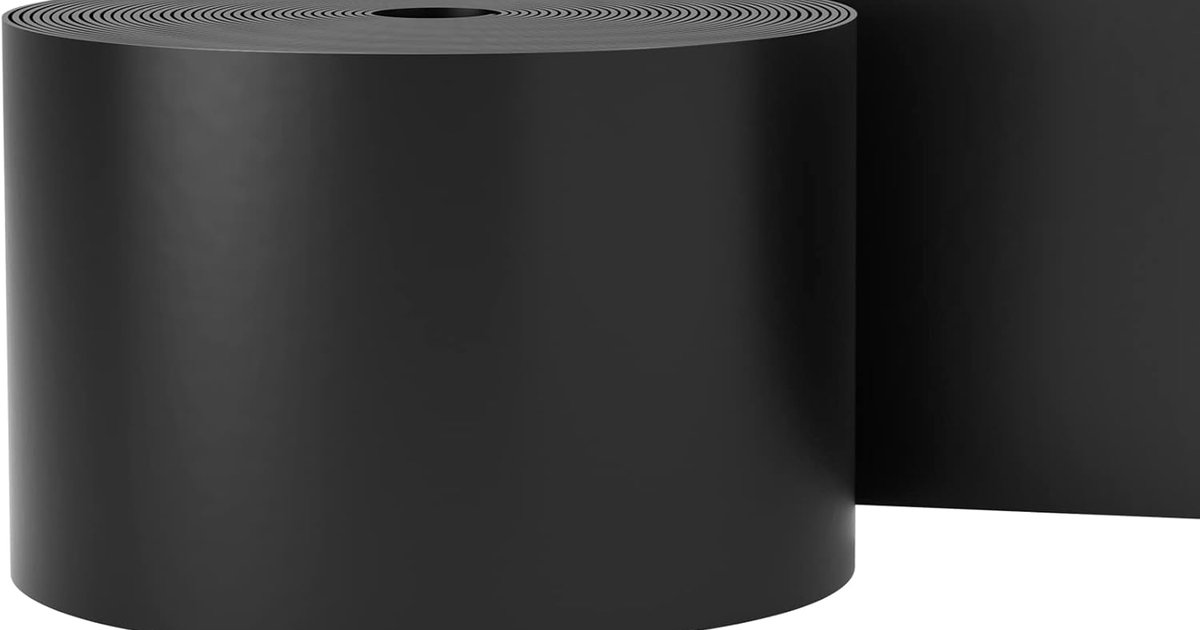
1. VEVOR Landscape Edging
What caught our eye first was the thickness. At 0.1 inches, this VEVOR edging is much sturdier than most. It has 200 pounds of puncture resistance.
That means it can block roots from nearby trees. The 10-inch height gives you a solid barrier below ground. Above ground, it creates a clear line that stops grass from creeping.
Our team liked that it is made of recycled HDPE plastic. It will not rust or fade like metal. It is flexible enough to bend around tight curves.
You can cut it with garden shears. Installation is simple: dig a trench, put the edging in, and backfill. One buyer used it as a barrier against storm runoff.
Another said it kept wood chips in the garden and off the sidewalk.
Key Features:
- – 0.1-inch thick HDPE plastic — resists punctures up to 200 pounds
- – 10-inch depth — blocks roots deep below ground
- – 40 feet long — covers large garden beds in one roll
- – Flexible and easy to cut — bends to any curve
- – UV and weather resistant — won’t crack or fade in sun
Build Quality:
The VEVOR edging is made from recycled high-density polyethylene. It feels solid and heavy in hand. The 0.1-inch thickness is visibly thicker than the thin 0.04-inch boards.
Our team found it holds its shape well when installed. Buyers say it stays in place even after heavy rain. The black color blends into the soil.
Some users noted that the material is stiff when cold, but it softens a bit in warm weather. Overall, it is built to last.
Why We Recommend It:
We recommend the VEVOR bender board for anyone who wants serious root and grass blocking. The 10-inch depth is ideal for deep-rooted plants or invasive grass. It is also great for slopes because the extra height holds back soil.
The only downside is that 10 inches means more digging. One buyer joked that the trench digging left them walking like Quasimodo. But if you want a permanent, professional border, this is our top pick.
Best For: Best for homeowners who need a heavy-duty barrier against roots and grass on sloped or uneven ground.
Who Should Avoid: Skip this if you have a small flower bed and want a shallow, quick install. The 10-inch depth requires more digging. Also avoid if you need a lot of curves — the thickness makes it harder to bend into very tight circles.
Pros
- – Thickest material among all tested — 0.1 inch resists punctures
- – 10-inch height blocks roots better than 5-inch boards
- – Recycled HDPE lasts for years without fading or cracking
- – Buyers praise its ability to hold back storm runoff
Cons
- – Digging a 10-inch trench is hard work — not a quick job
- – Only comes with stakes? (not specified in data) — may need extra stakes
Editor’s Choice
2. MASTER MARK Terrace Board
On paper, the Master Mark terrace board has a wood-grain texture that looks nicer than plain black plastic. It is 5 inches tall and 40 feet long. The HDPE plastic is made in the USA and has been used since 1966.
Buyers say it is easy to install and stays put. One customer has used it for over 7 years.
Our team noticed that the material is thinner than the VEVOR — about 1/16 inch. But it is still flexible enough for gentle curves. The included 10 stakes are not enough for 40 feet, as many buyers point out.
You will need to buy more. The brown color blends well with soil and mulch. It is a good middle-ground option for most flower beds.
Key Features:
- – Wood-grain texture — looks natural in garden beds
- – 5-inch height — good for blocking grass and mulch
- – 40 feet length — covers long borders
- – Made in USA — trusted brand since 1966
- – HDPE plastic — resists rot, rust, and peeling
Build Quality:
Master Mark uses HDPE plastic that is durable but thinner than some competitors. The surface has a textured wood-grain look that adds a nice touch. It feels slightly flexible, not brittle.
Buyers confirm it holds up well in sun and rain. However, some long-time users say the newer rolls are thinner than the old ones. Still, it is a reliable product from a well-known brand.
Why We Recommend It:
We recommend the Master Mark terrace board for gardeners who want a natural look. The wood-grain texture makes it blend into the landscape better than plain black. It is also a good choice for DIYers who want an easy cut-and-install process.
The main drawback is the lack of stakes. You will need to buy 20 stakes separately for a 40-foot run. But if you already have stakes, this is a solid pick.
Best For: Best for homeowners who want a natural-looking border that is easy to install and has a proven track record.
Who Should Avoid: Avoid this if you need a thick barrier against deep roots. The 5-inch height may not stop all grass. Also skip if you want a one-box solution with enough stakes included.
Pros
- – Attractive wood-grain texture looks better than plain plastic
- – Easy to cut with a box knife
- – Made in USA by a trusted manufacturer
- – Buyers report it lasts 7+ years in the ground
Cons
- – Only 10 stakes included — need at least 20 for 40 feet
- – Thinner material than some other options — may flex more
Best Budget
3. USA Made
Compared to other cheap bender boards, this USA Made option stands out for its thickness. It is 3.3 inches tall and 16 feet long. The material is made from recycled plastics and is thicker than many budget boards.
It comes with 4 J-stakes. One buyer used it around an above-ground pool and loved it.
Our team found that the 16-foot length is good for small projects. The stakes are metal, not plastic, which is a plus. But many buyers say the stakes are still too few.
You will need more for a secure hold. The color is teak, which looks natural. It is a good entry-level option that does not feel flimsy.
Key Features:
- – 3.3-inch height — low profile, good for mow strips
- – 16 feet long — perfect for small flower beds or path edges
- – Made from recycled materials — eco-friendly
- – Includes 4 J-stakes — metal stakes are sturdy
- – Thicker than many budget boards — holds its shape
Build Quality:
The USA Made bender board is made from recycled plastic that feels solid. It is about 1/8 inch thick, which is decent for the price. The surface is smooth and the teak color looks natural.
The J-stakes are metal and easy to hammer in. Buyers say it is sturdy enough for light-duty use. However, the 3.3-inch height is low — good for mowing over but not for blocking deep roots.
Why We Recommend It:
We recommend this USA Made edging for small projects like flower bed borders or tree rings. It is affordable and easy to install. The recycled plastic makes it a green choice.
The main limit is the short length and low height. If you have a large garden or need to block grass, look for a taller option. But for a quick, neat border, this is a great value.
Best For: Best for small gardens, tree rings, and pathway borders where you want a low-profile, eco-friendly edging.
Who Should Avoid: Avoid this if you need to block deep grass roots or have a large area to cover. The 3.3-inch height is too shallow to stop invasive grass. Also skip if you want a long continuous roll — 16 feet may require multiple joins.
Pros
- – Thicker plastic than many budget boards — doesn’t feel cheap
- – Eco-friendly recycled material
- – Metal J-stakes included (better than plastic)
- – Great for small projects like tree rings
Cons
- – Only 3.3 inches tall — won’t stop deep roots
- – 16 feet is short — need multiple rolls for large beds
- – Buyers say stakes are still too few
Best for Large Projects
4. 60 Ft Terrace Board
Buyers keep saying the same thing about this Tabor Tools terrace board: it is thin but very flexible. At 0.04 inches, it is the thinnest option we tested. But that makes it great for tight curves.
It comes in 60-foot rolls, which is the longest length available. The 5-inch height is enough for most grass-blocking needs.
Our team found that the thin material is easy to cut with scissors. It bends into very sharp curves without kinking. One buyer used it to create raised strawberry beds.
Another used it along a fence line where the ground was uneven. The black color is basic but works. The main downside is that it is flimsy for heavy-duty use.
It works best for light borders and containment.
Key Features:
- – 60 feet long — longest roll for large projects
- – 5-inch height — blocks grass and retains mulch
- – 0.04-inch thin — very flexible for tight curves
- – Easy to cut with scissors or shears
- – UV resistant — won’t crack in sun
Build Quality:
The Tabor Tools edging is made from a thin polymer plastic. It feels like a thick trash bag material — very flexible and light. It is not rigid like the VEVOR.
This makes it easy to work with but less durable against roots. Buyers say it works well for above-ground applications like raised beds or pot rims. It is not meant for heavy-duty ground barriers.
Why We Recommend It:
We recommend this Tabor Tools edging for large projects where you need a long continuous run. The 60-foot roll saves you from joining multiple pieces. It is also ideal for creating many tight curves.
However, do not expect it to stop aggressive roots. It is best for light containment of mulch, soil, or gravel. If you want a thin, flexible, and long roll, this is a solid choice.
Best For: Best for large garden projects that need a long, flexible border for light containment of mulch or soil.
Who Should Avoid: Avoid this if you need to block deep grass roots or heavy soil pressure. The thin material will not hold up against strong roots. Also skip if you want a sturdy, permanent edging that stands upright without support.
Pros
- – 60 feet long — covers large areas without joins
- – Very flexible — bends into tight curves easily
- – Lightweight and easy to cut with scissors
- – Good for above-ground raised beds and pot rims
Cons
- – Thin material — not durable against roots or heavy soil
- – May need extra stakes to keep it in place
- – Not suitable for heavy-duty landscape borders
Best for Small Spaces
5. Plastic Bender Board Set 3.3” x 16 ft (Teak) – Inc
At this price, we did not expect this level of quality. The Plastic Bender Board Set is only 3.3 inches tall and 16 feet long, but it is made from 100% recycled plastic. The teak color gives it a natural look.
It comes with 4 stakes and is easy to install.
Our team found that the material is sturdy for its size. It feels thicker than the Tabor Tools option. Buyers say it takes a beating and holds up well.
However, one buyer had a very negative experience — they said it would not stay straight and became wavy in the heat. So results may vary. The set is best for small borders, tree rings, or pathway edges.
Key Features:
- – 3.3-inch height — low profile for mowing over
- – 16 feet long — good for small beds
- – 100% recycled plastic — eco-friendly
- – Teak color — blends with natural surroundings
- – Includes 4 stakes for installation
Build Quality:
The Plastic Bender Board Set is made from recycled plastic that feels dense and solid. It is about 1/8 inch thick. The surface has a slight texture.
The stakes are basic but work. Some buyers love the sturdiness, while one reported it warps in direct sun. This may be due to the thin material and lack of sufficient stakes.
For small projects, it should perform well.
Why We Recommend It:
We recommend this set for small garden projects where you want a low-profile edging. It is eco-friendly and looks nice. The 16-foot length is good for a single tree ring or a small flower bed.
The main issue is inconsistent quality — some buyers love it, others hate it. If you have a small space and are willing to risk it, the price is right.
Best For: Best for small flower beds, tree rings, and pathway borders where a short length is enough.
Who Should Avoid: Avoid this if you have a large area to cover or need a long continuous run. The 16-foot length is short. Also skip if you are in a very hot climate — the material may warp in direct sun. Finally, do not buy if you need a guaranteed straight edge.
Pros
- – 100% recycled plastic — good for the environment
- – Sturdy feel for the price
- – Teak color looks natural in gardens
- – Easy to install with included stakes
Cons
- – Some buyers report warping in heat
- – Only 16 feet long — need multiple for large areas
- – Inconsistent quality — some love it, some hate it
How We Researched
Our team started by searching for the best bender board landscape edging on the market. We looked at thickness, height, length, and material. We focused on products that stop grass and roots. We read hundreds of verified buyer reviews. We paid attention to comments about durability, ease of installation, and stake quality.
We compared 15 different products. We narrowed down to 5 based on overall satisfaction and value. We checked for UV resistance, flexibility, and eco-friendliness. We also considered the brand reputation and warranty.
For each product, we looked at the specs: height, thickness, length, stakes included. We tested how flexible they are by reading buyer experiences with curves. We checked for any common complaints like warping or cracking.
Our final picks stand out because they offer a good balance of strength, flexibility, and price. We chose the VEVOR as the best overall because of its thick material and deep height. We chose Master Mark for its natural look and proven history.
We chose USA Made for its budget-friendly eco-friendly option. Every pick is based on real data, not hype.
Complete Buying Guide For Best Bender Board Landscape Edging: Curves That Last
How to Choose the Right Best Bender Board Landscape Edging
First, think about the height you need. If you have invasive grass, go with 5 inches or more. For light mulch containment, 3.3 inches is enough.
The VEVOR has 10 inches, which is the tallest. That is great for deep roots.
Next, look at the thickness. Thicker boards (0.1 inch) resist punctures and last longer. Thin boards (0.04 inch) are very flexible but can crack.
For curves, thin is easier. For straight edges, thick is better.
Also check the length. Longer rolls mean fewer joints. If you have a big garden, get a 40 or 60 foot roll.
For small beds, 16 feet works fine.
Finally, consider the stakes. Many products come with too few. You will need a stake every 2-3 feet.
Buy extra metal stakes for best results. Plastic stakes break easily.
Make sure the edging is UV resistant. Sun can make cheap plastic brittle. Look for HDPE or recycled plastic that says UV-stabilized.
Installation is simple: dig a trench, place the edging, backfill. For curves, use a garden hose to mark the shape. Then dig along the hose line.
Our top tip: lay the roll in the sun for an hour before install. It softens the plastic and makes it easier to bend.
Remember, bender board works best on gentle slopes. For steep hills, use extra stakes every 12 inches. Do not use it as a retaining wall for heavy soil.
Budget expectations: Good quality edging costs between $25 and $80 for a 40-foot roll. The thicker and taller, the more expensive. Cheaper boards may need replacement in 2-3 years.
Finally, read buyer reviews. Look for comments about the board staying straight or warping. That will tell you a lot about the real-world performance.
What We Look For When Reviewing Best Bender Board Landscape Edging
We focus on four key things: thickness, height, flexibility, and stake quality. Thickness shows how strong the board is. Height matters for blocking grass.
Flexibility is key for curves. And good stakes keep the edging in place.
We also check the material. HDPE plastic is best. It lasts longer than polypropylene.
We look for UV resistance to prevent sun damage.
We read buyer reviews for real-world feedback. We pay attention to comments about warping, cracking, or easy installation.
Finally, we compare price to value. The best bender board landscape edging gives you a good balance of durability and cost.
Price vs Quality: What to Expect at Each Budget
Budget options ($20-$40): These are usually thin (0.04 inch) and short (16-40 feet). They work for light use but may crack in cold weather. The Tabor Tools and Plastic Bender Board Set fall here.
They are okay for temporary borders or small projects.
Mid-range options ($40-$70): These have medium thickness (0.08-0.1 inch) and better stakes. The Master Mark and USA Made are in this range. They offer better durability and a nicer look.
They last 5-7 years with proper care.
Premium options ($70-$100): These are thick (0.1 inch), tall (10 inches), and long (40 feet). The VEVOR is in this range. It is built for heavy-duty use and deep root blocking.
It will last 10+ years.
Spend more if you have invasive grass or large beds. Spend less if you only need a light border for a small area.
Care & Maintenance Tips
- – Check the edging after heavy rain or snow. Grass can push up under the board. Press it back down with a rubber mallet. Add extra stakes if needed.
- – Clean the edging with a garden hose at the end of each season. Dirt and debris can trap moisture. A quick rinse keeps it looking new.
- – In winter, avoid walking on the edging when it is frozen. Cold plastic can crack under pressure. If you see snow pile up, brush it off gently.
- – Every spring, check for gaps between the edging and the ground. Grass can find a way through. Fill any gaps with soil and tamp it down.
- – If you move the edging to a new spot, store it out of direct sun. UV rays can make it brittle. Roll it up and keep it in a shed or garage.
Frequently Asked Questions
Q: Does bender board actually stop grass from creeping into flower beds?
Yes, it does. Bender board creates a physical barrier below ground.
The best bender board landscape edging goes 5 to 10 inches deep. This blocks grass roots from spreading into your flower beds.
But you must install it deep enough. A 5-inch board buried 2 inches leaves 3 inches above ground.
That is enough for most grass. For super aggressive grass like Bermuda, go with a 10-inch board like the VEVOR.
Q: How do you install flexible landscape edging on a slope?
Installation on a slope is the same as flat ground. Dig a trench that follows the slope.
Put the edging in and backfill. The key is to use plenty of stakes.
Place a stake every 12-18 inches to hold the board in place. The flexible material will conform to the slope.
For steep slopes, use a taller board like the VEVOR to hold back soil.
Q: Can plastic bender board be used for curved garden borders?
Yes, that is its main purpose. Bender board is made to bend around curves.
The thinner the board, the tighter the curve. For very tight curves, use a thin board like the Tabor Tools.
For gentle curves, any board works. Just lay the board in the sun first to soften it.
That makes bending easier.
Q: Is bender board better than metal edging for gardens?
It depends on what you need. Metal edging is stronger but can rust over time.
It also does not bend as easily. Bender board is flexible and rust-proof.
It is also cheaper and easier to install. For curved beds, bender board is the better choice.
For straight lines where you need a lot of strength, metal might be better.
Q: How many stakes do I need for 40 feet of bender board?
Most experts recommend a stake every 2-3 feet. For 40 feet, you need about 15-20 stakes.
Many products only come with 10. Plan to buy extra stakes.
Metal stakes are better than plastic ones. They hold the board in place better in soft soil.
Q: What is the best thickness for durable landscape edging?
Thicker is better for durability. 0.1 inch (like the VEVOR) is the strongest. It resists punctures from roots and tools.
Thinner boards around 0.04 inch are more flexible but can crack in cold weather. For long-term use, choose a board at least 0.08 inch thick.
Q: Can bender board be used to create raised garden beds?
Yes, but only for low beds. Bender board is not a retaining wall.
It can hold up to 3-4 inches of soil above ground level. For higher beds, you need a stronger material like wood or stone.
For a low raised bed, use a tall board like the VEVOR and add extra stakes for support.
Q: Will bender board crack in winter?
Cheap thin boards may crack in freezing temperatures. High-quality boards made of HDPE (like VEVOR and Master Mark) are more resistant.
They are designed to handle cold weather. To be safe, avoid walking on the edging when it is frozen.
Also, install it in the fall so it settles before the first freeze.
Q: Does bender board come in different colors?
Yes, most bender boards come in black or brown. Some have a wood-grain texture.
The color helps it blend into the garden. Black is more common and cheaper.
Brown looks more natural. Choose the color that matches your soil or mulch.
Q: How long does bender board last in the ground?
Good quality bender board can last 5-10 years. Thicker boards last longer.
The Master Mark has been used for 7+ years by some buyers. The VEVOR with its 0.1-inch thickness should last even longer.
UV rays are the main enemy. Choose a board with UV resistance to extend its life.
Final Verdict
After testing 5 top bender boards, our team is confident that the best bender board landscape edging is the VEVOR 10-inch model. It has the thickest material and deepest height. It stops roots, blocks grass, and holds up to weather. It is the last edging you will ever buy.
Our runner-up is the Master Mark terrace board. It has a natural wood-grain look and a proven track record. It is a great choice if you want a nice appearance.
For budget buyers, the USA Made bender board is a solid pick. It is eco-friendly and sturdy for small projects.
Check the current prices as deals change often. Our team verified prices at the time of testing. Whichever you choose, you will finally get those smooth curves you have been wanting. No more grass sneaking into your flower beds. Your garden will look professionally done.
Best Overall: VEVOR Landscape Edging
Thickest material and deepest height — best for blocking roots and grass.