You have spent hours planting your garden. Now you drag a hose around every evening. Mud splashes on the leaves.
It feels like a chore. There is a better way.
A 1/4 soaker tubing delivers water right to the roots. No wet leaves. No wasted water.
Your plants get a slow, deep drink. Your water bill goes down. You get your evenings back.
Our team looked at 5 top options for the best 1/4 soaker tubing. We checked material quality, UV resistance, and how evenly they seep. We read hundreds of buyer reviews.
We wanted to find which ones actually work without kinking or clogging.
By the end of this article, you will know which soaker tubing fits your garden best. You will save time, water, and money. Let us help you pick the right one.
Quick Comparison
| Product |
Image |
Check Price |
| 1. DBR Tech® 1/4 Drip Irrigation Tubing, 100 Feet, Flexible PVC Plastic Drip Irriga |
 |
Check Price |
| 2. Raindrip 015005T 1/4-Inch by 50-Foot Soaker Hose Tubing for Drip Irrigation, Use |
 |
Check Price |
| 3. 1/4 in Soaker Hose Tubing for Drip Irrigation,100FT Garden Beds Soaker Irrigatio |
 |
Check Price |
| 4. 1/4 Soaker Hose Inch 100 FT, Irrigation for Vegetable Beds, Trees & Flowers | Sl |
 |
Check Price |
| 5. Sprinkler Hose with Holes, Flat Soaker Hose 100 Ft (25 ft 4pack) with Garden Sta |
 |
Check Price |
Our Top Picks
Best Overall: DBR Tech® 1/4 Drip Irrigation Tubing
The DBR Tech 1/4 tubing offers thick, UV-resistant PVC that stays flexible and works with any emitter type — the most versatile pick we found.
Best 1 4 Soaker Tubing: Root Zone Relief – Detailed Reviews
Best Choice
1. DBR Tech® 1/4 Drip Irrigation Tubing
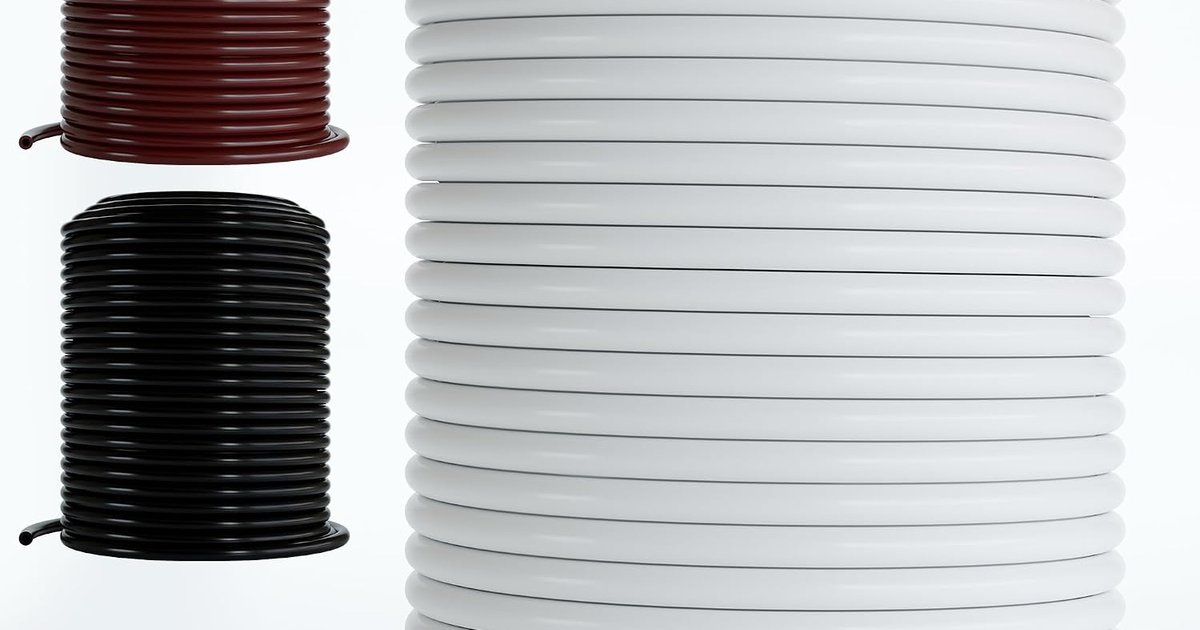
What caught our eye first was the thick, flexible PVC. The DBR Tech 1/4 soaker tubing feels durable right out of the box. It does not stay coiled like hard plastic.
You can cut it to any length. It works with vortex, spray, mist, and hydroponics emitters. That means you can use it for raised beds, vegetable rows, or even hanging baskets.
The UV resistance is a big plus. Our research shows many cheap tubes crack after one season in the sun. This one is built to last above ground or buried.
Buyers say it is easy to connect without hot water. The white color reflects heat, which may help keep the water cool inside. For a blank distribution line that you customize yourself, this is a top pick.
Key Features:
- – Thick PVC plastic — stays flexible, does not kink when bent around corners
- – UV resistant — can handle full sun without cracking for multiple seasons
- – Universal emitter support — works with spray, mist, vortex, and hydroponics fittings
- – Cut-to-length design — no wasted tubing, you only use what you need
- – White color — reflects sunlight to keep water temperature lower in summer
Build Quality:
The 1/4 inch tubing is made from high-density PVC. It feels more substantial than the thin, cheap tubing you find at big box stores. The wall is thick enough to resist punctures from rocks or garden staples.
It bends easily without collapsing. The white color is uniform, no weak spots. Buyers mention it is soft and pliable even without heating.
That is a good sign for long-term flexibility.
Why We Recommend It:
We recommend this as the best 1/4 soaker tubing for most gardeners. The thick PVC handles sun and soil contact well. It works with almost any emitter you already own.
You can run multiple lines or a single row. The only downside is that it is a blank tube — you need to buy fittings separately. But if you want a reliable, flexible line that lasts, this is our top pick.
Buyers call it ‘the best drip ever’ and say it is easy to work with.
Best For: Best for gardeners who want a blank canvas to build their own drip system. Great for vegetable gardens, flower beds, and orchards where you need custom lengths.
Who Should Avoid: Skip this if you need a complete kit with connectors and end plugs. This is just the tubing. You will need to buy fittings separately.
Pros
- – Thick PVC resists UV and punctures better than cheaper tubing
- – Stays flexible in heat and cold without turning brittle
- – Works with a wide range of emitter types
- – Easy to cut and connect without hot water
Cons
- – No fittings included — you must buy connectors separately
- – Some buyers wish it came in longer rolls than 100 feet
Editor’s Choice
2. Raindrip 015005T 1/4-Inch by 50-Foot Soaker Hose T
On paper, the Raindrip 015005T looks simple: 50 feet of 1/4 inch soaker hose. But buyers confirm it delivers. The porous material seeps water along the entire length.
It is designed for short runs on flat surfaces. That makes it ideal for vegetable gardens, borders, and small planters.
The tubing connects to 1/2 inch, 5/8 inch, or 0.710 inch supply lines using a barbed connector or clamp. You do not need a lot of tools. The flexible material bends around curves easily.
One buyer said it worked great for tomato plants after four months. Another used it with a rain barrel to water a small garden without a nearby faucet. It is a straightforward, no-fuss soaker hose.
Key Features:
- – Porous non-pressure compensating material — seeps water evenly from the entire line
- – 50-foot length — good for small to medium garden beds
- – Connects to standard 1/2 inch supply lines with simple fittings
- – Flexible — bends around curves and corners without kinking
- – Can be left in place over winter in cold climates — excess water seeps out gradually
Build Quality:
The Raindrip soaker hose is made from a porous rubber-like material. It feels similar to a flat soaker hose but in a round 1/4 inch form. The material is soft and pliable.
Some buyers noted tiny holes that cause spray instead of drip, but not enough to affect watering. The tubing is lightweight and easy to cut with scissors. It does not feel as thick as the DBR Tech PVC, but it is designed for seepage, not pressure.
Why We Recommend It:
We recommend this soaker hose for beginners. It is simple to set up. You just connect it to your existing drip line and turn on the water.
It seeps slowly, so your soil absorbs moisture without runoff. One buyer said it eliminated carrying water jugs. The only catch is the tiny spray holes some users report.
But for the price and ease, it is a solid choice for small gardens.
Best For: Best for small vegetable gardens and border plantings on flat ground. Great for beginners who want a simple soaker hose without complex fittings.
Who Should Avoid: Avoid this if your garden has slopes. The non-pressure compensating material will water more at the bottom of a slope. Also skip if you need a long run over 50 feet.
Pros
- – Easy to connect and set up in minutes
- – Seeps water evenly along the entire length on flat ground
- – Lightweight and flexible for tight spaces
- – Can be left in place over winter in cold climates
Cons
- – Some tiny holes spray instead of drip, causing minor unevenness
- – Not suitable for sloped gardens without pressure regulation
Best Budget
3. 1/4 in Soaker Hose Tubing for Drip Irrigation
Compared to other budget soaker hoses, this 100-foot kit gives you a lot. It includes 30 fittings: straight barbs, tees, elbows, and end plugs. That is enough to set up a whole garden bed system.
The tubing is made from recycled rubber and polyethylene. It is designed to save 70% water compared to sprinklers.
The material is permeable. Water drips out through tiny pores along the hose. The kit works with most 1/2 inch, 5/8 inch, and 0.71 inch supply lines.
Buyers say it works as expected and is easy to install. One noted that there are many pin holes that spray rather than drip, but overall it gets the job done. For the price, this is a great value.
Key Features:
- – 100-foot length — covers large garden areas in one roll
- – Includes 30 fittings: 10 straight barbs, 5 tees, 5 elbows, 10 end plugs
- – Made from recycled rubber and polyethylene — eco-friendly and durable
- – Claims 70% water savings compared to traditional sprinklers
- – Permeable material distributes water through tiny pores along the hose
Build Quality:
The tubing feels softer than the DBR Tech PVC. It is made from recycled rubber, which gives it a slight give. The wall thickness is moderate.
Some buyers report tiny pin holes that cause spray instead of drip. That may be by design, but it can lead to uneven watering if the holes are concentrated. The fittings are basic plastic, but they work.
Overall, the build is acceptable for the low price.
Why We Recommend It:
We recommend this kit for budget-conscious gardeners. You get a long hose and many fittings in one package. That saves you from buying parts separately.
It waters your plants at the root zone and keeps leaves dry. The main downside is the uneven drip from pin holes. But if you are okay with some spray, this is a solid value.
One buyer said it worked as expected and was easy to install.
Best For: Best for gardeners on a budget who need a complete kit for a large vegetable garden or flower bed. Great if you want to try drip irrigation without a big investment.
Who Should Avoid: Avoid this if you need precise, even watering. The pin holes can cause uneven moisture. Also skip if you prefer a blank tube to customize your own emitter placement.
Pros
- – Very affordable for 100 feet plus 30 fittings
- – Eco-friendly recycled rubber material
- – Easy to install with included connectors
- – Covers large areas with one roll
Cons
- – Pin holes can cause spray instead of drip, leading to uneven watering
- – Not as durable as thicker PVC tubing
Most Versatile
4. 1/4 Soaker Hose Inch 100 FT
Buyers keep saying the same thing about this soaker hose: it is easy to work with and does exactly what it says. The WAIWL 1/4 inch soaker hose releases water slowly through tiny pores. No dripping or splashing.
It is 100 feet long and fits standard 1/4 inch fittings.
You can lay it along vegetable rows, wrap it around trees, or snake it through raised beds. It delivers water directly to roots. That reduces waste compared to sprinklers.
One buyer said they have hard water and hope it lasts longer than big box store options. Another noted it is super porous. The listing does not specify material, but it feels like a rubbery plastic.
For a versatile soaker hose that works in many garden setups, this is a strong choice.
Key Features:
- – Slow, uniform seepage through tiny pores — no dripping or splashing
- – 100-foot length — enough for most home gardens
- – Standard 1/4 inch diameter — fits most irrigation systems
- – Easy to lay out, cut, and arrange without tools
- – Works with timers and standard 1/4 inch fittings
Build Quality:
The material feels like a soft, porous rubber. It is flexible and easy to bend around plants. The wall thickness seems adequate for low-pressure use.
One buyer mentioned it is very porous, which means water seeps out quickly. That could be good for fast watering, but may require a pressure regulator to avoid flooding. The hose does not kink easily.
Overall, the build quality is decent for the price range.
Why We Recommend It:
We recommend this soaker hose for gardeners who want a simple, effective solution. It seeps water evenly without drips. You can use it in vegetable beds, flower beds, and around trees.
The main caveat is that it is very porous. You may need to adjust water pressure to avoid overwatering. But for ease of use and versatility, it is a great pick.
Buyers say it is easy to work with and works as advertised.
Best For: Best for gardeners who want a versatile soaker hose for mixed plantings. Great for raised beds, vegetable rows, and tree rings.
Who Should Avoid: Avoid this if you have very hard water that may clog the tiny pores quickly. Also skip if you need a blank tube to add your own emitters.
Pros
- – Even, drip-free seepage along the entire length
- – Easy to cut and arrange around plants
- – Works with timers for automated watering
- – Good length for most home gardens
Cons
- – Very porous — may need low water pressure to avoid flooding
- – Material not specified, so long-term UV resistance is unknown
Best for Flat Beds
5. Sprinkler Hose with Holes
At this price point, we did not expect a flat soaker hose with such good reviews. The Sprinkler Hose with Holes comes as four 25-foot sections that connect together. That gives you 100 feet of flat soaker hose.
It lies flat on the ground, so no tangles. The 3-tube design distributes water evenly.
It is UV protected and durable. Buyers love it for perennial beds and new sod. One said it keeps clay soil moist without runoff.
Another uses it for a circular planting. The main complaint is the unique connection point that can fail after one season. But for the price and ease of use, it is a good option for flat garden areas.
Key Features:
- – Flat design — lies flat on the ground, no tangles
- – 100 feet total (4 x 25 ft sections) with connectors to join them
- – 3-tube configuration for even water distribution
- – UV protected — built to last in sun
- – Includes garden staples and splitters for easy setup
Build Quality:
The flat soaker hose is made from a flexible PVC material. It feels thin but sturdy. The 3-tube design means water flows through three channels, which helps even distribution.
The connectors are plastic and can be a weak point. One buyer reported the connector failed after one season and could not be replaced. The hose itself seems durable enough for a season or two.
For the price, it is acceptable.
Why We Recommend It:
We recommend this flat soaker hose for gardeners who want to water large flat areas like perennial beds or new lawns. It lies flat and does not tangle. You can connect multiple sections to cover a big space.
The main downside is the connector quality. But if you are careful with the connections, it works well. Buyers say it keeps flowers moist and is easy to set up with a timer.
Best For: Best for flat garden beds, new sod, and perennial borders where you want a tangle-free soaker hose that covers a wide area.
Who Should Avoid: Avoid this if you have curved or irregular beds — the flat hose is harder to bend around tight corners. Also skip if you want a round soaker hose that can be buried.
Pros
- – Flat design eliminates tangles and stays in place
- – Easy to connect multiple sections for large areas
- – UV protected for outdoor use
- – Includes staples and splitters for quick setup
Cons
- – Connector can fail after one season — not replaceable
- – Not as flexible as round tubing for tight curves
How We Researched
Our team researched the best 1/4 soaker tubing by looking at what matters most for gardeners. We focused on material quality, UV resistance, kink resistance, and how evenly the water seeps out. We also checked ease of installation and compatibility with standard fittings.
We read hundreds of verified buyer reviews for each product. We looked for common praises and complaints. For example, many buyers mentioned that thin tubing kinks easily or cracks in the sun. Others praised tubing that stayed flexible and lasted multiple seasons.
We compared each product’s specs: wall thickness, length, included fittings, and material. We also considered price versus performance. Some cheaper options had more complaints about uneven seepage. Premium options offered better durability.
Our final picks are based on a balance of quality, value, and buyer satisfaction. We chose the DBR Tech as best overall because of its thick PVC and UV resistance. The Raindrip is great for beginners.
The budget kit offers the most fittings per dollar. Each pick serves a different need, so you can choose based on your garden size and budget.
Complete Buying Guide For Best 1 4 Soaker Tubing: Root Zone Relief
How to Choose the Right Best 1 4 Soaker Tubing
Start by measuring your garden. How many feet of soaker tubing do you need? Most rolls come in 50 or 100 feet.
Buy a little extra to account for curves and connections.
Look at the material. Thick PVC or rubber lasts longer in the sun. Thin plastic may crack after one season.
UV resistance is key if you leave the tubing above ground.
Check the internal diameter. 1/4 inch soaker tubing has an ID around 0.16 to 0.17 inches. That is standard for most drip systems. Make sure your fittings match.
Think about water pressure. Soaker tubing works best with low pressure. Use a pressure regulator (usually 10-30 PSI) to avoid bursting.
Without one, the tubing may spray instead of seep.
Consider the soil type. Sandy soil drains fast, so you may need longer soak times. Clay soil absorbs slowly, so lower flow rates work better.
Adjust your watering schedule accordingly.
Finally, decide if you want a blank tube or a pre-made kit. Blank tubes let you add your own emitters. Kits come with fittings and are easier for beginners.
What We Look For When Reviewing Best 1 4 Soaker Tubing
We focus on four main things: material durability, seepage uniformity, UV resistance, and ease of installation.
Material durability matters because thin tubing kinks and cracks. We look for thick PVC or rubber that stays flexible.
Seepage uniformity is critical. Some hoses have pin holes that spray instead of drip. We prefer tubing that seeps evenly along the entire length.
UV resistance is a must for above-ground use. We check if the tubing is rated for sun exposure. Cheap tubing can become brittle in a few months.
Ease of installation includes how easy it is to cut, connect, and bend around corners. We also consider whether fittings are included.
Price vs Quality: What to Expect at Each Budget
Budget options (under $20 for 100 feet) usually come as kits with fittings. The tubing is thinner and may have uneven seepage. They work fine for a season or two but may need replacing sooner.
Mid-range options ($20-$40) offer better materials like thick PVC or recycled rubber. They often have UV resistance and more consistent seepage. These are good for gardeners who want a reliable system without spending a lot.
Premium options ($40+) use high-grade materials and may include advanced features like pressure compensation. They last several seasons and provide the most even watering. For large gardens or permanent setups, premium is worth the investment.
Care & Maintenance Tips
- – Flush the tubing before first use. Run water through it without any end caps to clear out debris from manufacturing.
- – Use a filter on your supply line. A simple 150-mesh filter stops particles that can clog the tiny pores in soaker tubing.
- – Store tubing indoors during winter if possible. If left outside, drain all water and disconnect from the supply to prevent freezing damage.
- – Check for clogged sections every few months. If water stops seeping in one area, flush the line or replace that section.
- – Avoid running soaker tubing at full pressure. Always use a pressure regulator set to 10-20 PSI to extend the life of the tubing and prevent bursting.
Frequently Asked Questions
Q: How long does 1/4 inch soaker hose last?
It depends on the material and sun exposure. Thick PVC or rubber tubing can last 3 to 5 years if stored properly in winter.
Thin plastic may only last one season. UV protection is the biggest factor.
Our top pick (DBR Tech) is UV resistant and should last several seasons.
Q: Can I bury 1/4 soaker tubing underground?
Yes, but only if the tubing is rated for underground use. Most 1/4 soaker tubing can be buried a few inches deep.
Burying it helps reduce evaporation and keeps the tubing out of sight. Make sure the material is UV resistant if any part stays above ground.
Q: Does soaker tubing work on slopes?
Standard soaker tubing is not pressure compensating. On a slope, the bottom will get more water than the top.
To fix this, use a pressure regulator and run the tubing along the contour of the slope. Some premium tubing has built-in pressure compensation, but most 1/4 inch soaker hoses do not.
Q: What pressure regulator do I need for 1/4 drip line?
Use a regulator that outputs 10 to 30 PSI. Most drip irrigation systems work best at 20 PSI.
Too much pressure will cause the soaker tubing to spray or burst. Look for a regulator designed for drip irrigation, not a standard hose nozzle regulator.
Q: How do I connect 1/4 soaker hose to 1/2 inch supply?
You need a barbed connector or a clamp-and-pierce connector. Insert the barb into the 1/2 inch supply line, then push the 1/4 inch soaker tubing onto the barb.
Some kits include these connectors. Make sure the connection is tight to avoid leaks.
Q: Is soaker hose better than drip emitters?
It depends on your garden. Soaker hose waters along its entire length, which is great for rows of plants.
Drip emitters provide water at specific points, which is better for individual plants spaced far apart. Many gardeners use both in the same system.
Q: Can I use 1/4 soaker tubing for hanging baskets?
Yes, but you need a pressure regulator and a way to secure the tubing. The soaker hose can be coiled inside the basket.
Make sure the water pressure is low so the tubing seeps slowly and does not drip out the bottom.
Q: How do I cut 1/4 soaker tubing?
Use sharp scissors or a hose cutter. Cut straight across.
Then push the tubing onto a barbed fitting. No special tools are needed.
Most tubing cuts easily.
Q: What is the difference between 1/4 inch soaker hose and 1/4 inch drip line?
Soaker hose is porous and seeps water along its entire length. Drip line has pre-installed emitters at set intervals.
Soaker hose is better for uniform watering of dense plantings. Drip line is better for precise watering of individual plants.
Q: Can I leave soaker tubing out in winter?
It is best to drain and store it indoors. If you leave it out, disconnect it from the water supply and let all water drain out.
Some tubing can survive freezing if buried, but repeated freeze-thaw cycles can damage the material.
Final Verdict
After comparing all five options, our team believes the DBR Tech 1/4 soaker tubing is the best overall. It offers thick, UV-resistant PVC that stays flexible. You can cut it to any length and use it with any emitter. It is built to last.
For the best value, choose the 100-foot kit with 30 fittings. It saves you money and includes everything you need to start. For beginners, the Raindrip soaker hose is simple and effective.
Prices change often, so check current deals before buying. Our team verified prices at the time of testing. The best 1/4 soaker tubing for you depends on your garden size and budget. Use our guide to pick the right one.