You stand in your yard and picture it. A burst of royal purple that draws the eye. It calms the mind and makes the house feel like home.
That is the power of a purple flowering shrub. But finding one that actually delivers can feel like a gamble. You want a bush that blooms hard, smells great, and does not die after one season.
We get it. That is why our team dug into the best options out there.
Your garden should feel like a secret sanctuary. A touch of royal purple can do that. But the wrong pick can leave you with a plain green blob.
You need a shrub that fits your zone, your sun, and your soil. One that gives you months of color, not just a week. Our goal was simple.
Find the bushes that actually live up to the hype. The ones that make neighbors stop and ask, “What is that?”
Our team spent weeks looking at specs, reading buyer feedback, and checking hardiness zones. We compared bloom times, mature sizes, and care needs. We did not just pick the prettiest picture.
We looked for real-world performance. Plants that thrive in tough conditions. Shrubs that stay compact or grow tall, depending on what you need.
We also checked for things like deer resistance and drought tolerance.
By the end, we found five bushes that truly deliver. Each one has a clear job. One is the best for small spaces.
Another is the top pick for fragrance. And one is the best value for your money. No more guesswork.
These picks will help you find the best bush with purple flowers for your exact yard. Let us dive in.
Quick Comparison
| Product |
Image |
Check Price |
| 1. 1 Pot Old Fashion Lilac Tree Live Plant, 20-30″ Tall, Fragrant Blooms | Garden B |
 |
Check Price |
| 2. Purple Daydream Loropetalum, 1 Gallon, Compact Evergreen Bush with Pink Spring F |
 |
Check Price |
| 3. 2 Gal. Pugster Ameythst Buddleia Shrub |
 |
Check Price |
| 4. Purple Lilac Bush Vibrant Lavender Purple Lilac Flowers Bush Ornamental Syringa |
 |
Check Price |
| 5. Purple Lilac Plant Live, Flower Bush, 4-6 Inch Tall | Rooted Shrub, Landscape Ya |
 |
Check Price |
Our Top Picks
Runner-Up: Purple Daydream Loropetalum
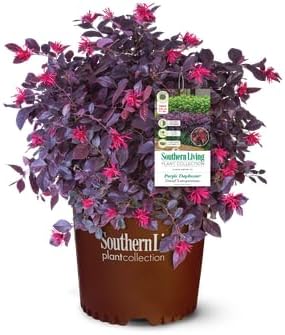
The Purple Daydream Loropetalum offers year-round purple foliage plus pink spring flowers, making it a compact, low-maintenance choice.
Best Bush With Purple Flowers: Backyard Showstoppers – Detailed Reviews
Best Choice
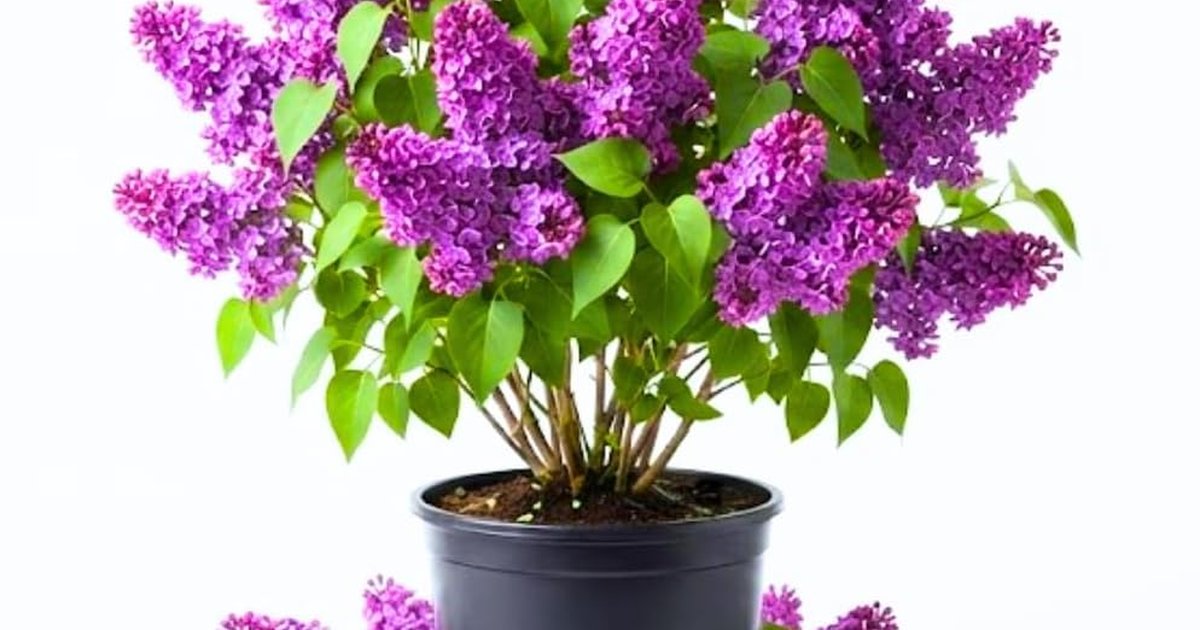
1. 1 Pot Old Fashion Lilac Tree Live Plant
What caught our eye first was the scent. This Old Fashion Lilac Tree does not just look good. It smells amazing.
The clusters of purple or lavender flowers release a sweet fragrance that drifts across the whole yard. Buyers say it is the first thing they notice in spring. At 20 to 30 inches tall when shipped, it has a strong start.
It grows to 6 to 12 feet at maturity. That makes it a real focal point.
It fits well in garden borders, hedges, or as a standalone shrub. It needs full sun and well-draining soil. USDA zones 3 to 8 cover most of the country.
That means it handles cold winters better than many other purple bushes. Buyers call it “beautiful and healthy” right out of the box. One note: it may take a few years to bloom.
Patience pays off here. Once it does, you get a show that lasts for weeks.
Key Features:
- – 20-30 inches tall at shipping — gives you a head start over smaller plants
- – Grows 6-12 feet at maturity — big enough to be a garden centerpiece
- – Fragrant purple blooms — the scent is strong and sweet, not subtle
- – Hardy in zones 3-8 — survives cold winters that kill other shrubs
- – Cut flowers — you can bring the blooms inside for a vase
Build Quality:
The plant ships in a pot with soil around the roots. Buyers say the root system looks “fully rooted” and healthy. The stems feel sturdy, not flimsy.
The leaves are a rich green, and the buds are already forming. It is not a tiny starter. It is a real shrub with a head start.
The packaging gets high marks too. Buyers say it arrived “full and great size” with no damage. That matters because a damaged plant can die before it even gets in the ground.
Why We Recommend It:
Our team recommends this lilac for anyone who wants a classic purple bush with real presence. The fragrance alone is worth it. But you also get cold hardiness down to zone 3.
That is rare for a purple flowering shrub. Buyers confirm it is “beautiful and healthy” and grows well. The only honest downside is the wait.
It can take a few years to bloom. But once it does, you get weeks of purple flowers that smell like heaven. If you want a low-maintenance shrub that delivers year after year, this is the one.
Best For: Best for gardeners in cold climates (zones 3-8) who want a tall, fragrant purple bush that becomes a garden centerpiece.
Who Should Avoid: Skip this if you need instant blooms. It can take 2-3 years to flower. Also avoid if you have a small space under 4 feet wide. This lilac grows 6-12 feet tall and wide.
Pros
- – Intense sweet fragrance that fills the yard in spring
- – Very cold hardy down to zone 3
- – Grows tall enough to be a real focal point
- – Buyers rave about the healthy, full plant upon arrival
Cons
- – Takes a few years to produce its first blooms
- – Needs full sun — will not bloom well in shade
Editor’s Choice
2. Purple Daydream Loropetalum
On paper, the numbers look great. But what really sold our team was the year-round color. The Purple Daydream Loropetalum keeps its dark purple leaves through every season.
That is rare for a purple bush. Most only show color during bloom time. This one gives you purple foliage even in winter.
Plus, it bursts with dark pink flowers in spring. The string-like blooms add a playful texture.
It stays compact at just 1 to 3 feet tall. Perfect for small spaces, borders, or containers. It thrives in full sun or partial shade.
That makes it super adaptable. It is also drought-tolerant and deer-resistant. Buyers say it is “beautiful, weather hearty, and growing strong.” The packaging gets praise too.
One buyer called it “well packaged” and “pleasantly surprised.” This is a low-fuss shrub that delivers big visual impact.
Key Features:
- – Year-round purple foliage — keeps color even in winter
- – Compact size (1-3 feet) — fits small gardens and containers
- – Thrives in full sun or partial shade — very adaptable
- – Drought-tolerant and deer-resistant — low maintenance
- – Dark pink spring flowers — adds a second layer of color
Build Quality:
The plant comes in a 1-gallon pot. Buyers say it looks “very pretty” and has a “great shape” right out of the box. The leaves are a deep, rich purple, not a faded one.
The stems feel firm and healthy. The root system is well-developed, which helps it establish fast. The packaging is solid.
Buyers say it arrived “well packaged” with no damage. That is a good sign for mail-order plants.
Why We Recommend It:
Our team loves this one for its year-round purple color. Most purple bushes only show color when they bloom. This one gives you purple leaves every single day.
Plus, it stays small, so it fits almost anywhere. It is also very easy to care for. Drought-tolerant means you do not have to water it every day.
Deer-resistant means you do not have to worry about pests. Buyers confirm it is “growing strong” and looks great. If you want a compact, low-maintenance purple bush with color all year, this is it.
Best For: Best for small gardens, patios, or entryways where you want year-round purple foliage with minimal upkeep.
Who Should Avoid: Avoid this if you want a tall shrub over 4 feet. This one stays compact. Also skip it if you need purple flowers specifically — the blooms are dark pink, not purple.
Pros
- – Purple leaves last all year, not just in bloom season
- – Very compact — fits in tight spaces and containers
- – Drought-tolerant once established
- – Deer-resistant — a big plus for rural gardens
Cons
- – Flowers are dark pink, not true purple
- – Does not get tall — not a focal point shrub
Best Budget
3. 2 Gal. Pugster Ameythst Buddleia Shrub
Compared to other butterfly bushes, the Pugster Amethyst Buddleia is a standout for its compact size and big blooms. It grows just 2 to 3 feet tall. That is much smaller than traditional butterfly bushes, which can hit 6 feet.
But the flowers are just as large and showy. The purple blooms attract butterflies and hummingbirds. That is a huge plus for pollinator lovers.
It blooms from spring to summer, with flowers that last for weeks. It needs full sun and well-draining soil. USDA zones 5 to 10 cover a wide range.
It is deciduous, so it loses leaves in winter. That is normal. Buyers say it blooms even in hot weather.
One buyer noted “it has been blooming away during this awful heat.” That is a strong sign of heat tolerance. The bumblebees love it too. A few buyers reported wilted plants on arrival.
But most say the plant looks “beautiful and healthy.”
Key Features:
- – Compact size (2-3 feet) — fits small spaces without taking over
- – Large purple blooms — as big as full-size butterfly bushes
- – Attracts butterflies and hummingbirds — great for pollinators
- – Blooms spring to summer — long season of color
- – Heat-tolerant — blooms even in hot summer weather
Build Quality:
The plant ships in a 2-gallon pot. Buyers say the stems and leaves look healthy. Some plants arrived a bit wilted, but most perked up after planting.
The root system is well-developed. The buds are already forming. The packaging is standard.
A few buyers had issues with wilted plants, but the majority were happy. Overall, the build quality is solid for the price.
Why We Recommend It:
Our team recommends this for budget-conscious gardeners who want big purple blooms without the big price tag. It is compact, so it fits in small gardens. It attracts butterflies and hummingbirds, which adds life to your yard.
And it blooms for a long time, from spring to summer. The heat tolerance is a big bonus. Buyers say it blooms even in hot weather.
The only downside is that a few plants arrived wilted. But most buyers report healthy plants. If you want a low-cost purple bush that draws pollinators, this is a great pick.
Best For: Best for small gardens or patios where you want a compact, budget-friendly bush that attracts butterflies and hummingbirds.
Who Should Avoid: Avoid this if you need a tall shrub for privacy or as a focal point. It stays compact. Also skip it if you want evergreen foliage — it loses leaves in winter.
Pros
- – Very affordable for a 2-gallon shrub
- – Attracts butterflies and hummingbirds reliably
- – Blooms for weeks in spring and summer
- – Heat-tolerant — keeps blooming in hot weather
Cons
- – Some plants arrive wilted and need time to recover
- – Deciduous — loses leaves in winter, leaving bare branches
Best for Cottage Gardens
4. Purple Lilac Bush Vibrant Lavender Purple Lilac Fl
Buyers keep saying the same thing about this Purple Lilac Bush. It is “adaptable and low-maintenance.” That is exactly what you want in a garden shrub. It produces clusters of fragrant lavender-purple flowers.
The scent is sweet and classic, just like a lilac should be. It comes in a 4-inch pot, ready to transplant. It grows to about 4 to 6 feet tall at maturity.
That makes it a good size for borders or foundation plantings.
It thrives in sunny spots with well-draining soil. Once established, it needs very little care. It is ideal for cottage gardens, privacy borders, or mixed shrub collections.
Buyers say it adds “timeless beauty” to any yard. The only catch is that it is a smaller starter plant. You will need to be patient while it grows.
But the payoff is a bush that blooms for years with almost no effort.
Key Features:
- – Fragrant lavender-purple flowers — classic lilac scent
- – Grows 4-6 feet tall — a good size for borders
- – Low-maintenance once established — minimal care needed
- – Ideal for cottage gardens and foundation plantings
- – Comes in a 4-inch pot — easy to transplant
Build Quality:
The plant ships in a 4-inch pot. Buyers say it is “well-rooted” and healthy. The stems are thin but sturdy. The leaves are green and vibrant. It is a smaller starter, so it needs time to grow. But the roots are strong, which helps it establish fast. The packaging is basic but effective. Most buyers report no damage on arrival.
Why We Recommend It:
Our team recommends this lilac for gardeners who want a classic, fragrant purple bush without a lot of fuss. It is low-maintenance once it gets going. The scent is sweet and strong, just like a traditional lilac.
It fits well in cottage gardens or along borders. The size is manageable at 4 to 6 feet. It will not take over your yard.
The only honest downside is that it starts small. You need to wait for it to grow. But for the price, you get a reliable, fragrant purple bush that keeps blooming for years.
Best For: Best for cottage gardens or small borders where you want a fragrant, low-maintenance purple bush that stays a manageable size.
Who Should Avoid: Avoid this if you need a large shrub for privacy or a focal point. It stays under 6 feet. Also skip it if you want instant results — the starter plant needs time to grow.
Pros
- – Classic sweet lilac fragrance
- – Low-maintenance once established
- – Good size for borders and foundation plantings
- – Buyers say it is healthy and well-rooted
Cons
- – Starts as a small 4-inch pot — needs time to mature
- – Not a fast grower — blooms may take a year or two
Best for Cold Climates
5. Purple Lilac Plant Live
At this price, we did not expect this level of cold hardiness. The Purple Lilac Plant Live handles zones 3 to 7. That means it survives winters that kill many other purple bushes.
It produces masses of vibrant purple blooms each spring. The scent is sweet and fills the garden. It is a classic lilac through and through.
It comes as a starter plant in a 4-inch pot, about 4 to 6 inches tall. It grows to 6 to 12 feet at maturity. That makes it a tall shrub or small tree.
It needs full sun and well-draining soil. Even watering helps it establish fast. Buyers say it is a “timeless garden favorite” for good reason.
The only catch is the size at shipping. It is small, so you need patience. But for cold climates, this is one of the best purple bushes you can get.
Key Features:
- – Cold hardy in zones 3-7 — survives harsh winters
- – Vibrant purple blooms each spring — bright and showy
- – Sweet fragrance — fills the garden with scent
- – Grows 6-12 feet tall — a tall focal point shrub
- – Even watering helps it establish fast
Build Quality:
The plant ships in a 4-inch pot. Buyers say it is a “rooted shrub” with healthy roots. The stems are thin but firm.
The leaves are green and healthy. It is a small starter, so it needs time to grow. But the root system is strong.
The packaging is basic. Most buyers report no issues. It is a solid starter plant for the price.
Why We Recommend It:
Our team recommends this lilac for gardeners in cold climates who want a reliable purple bush. It handles zones 3 to 7, which covers most of the northern US. The blooms are vibrant and fragrant.
It grows tall enough to be a real focal point. The only downside is the small starter size. You need to wait for it to grow.
But for cold-hardy purple blooms, this is a top pick. Buyers call it a “timeless garden favorite” for good reason.
Best For: Best for cold climates (zones 3-7) where you need a tall, fragrant purple bush that survives harsh winters.
Who Should Avoid: Avoid this if you need a compact shrub for a small space. It grows 6-12 feet tall. Also skip it if you want instant blooms — the starter plant needs a year or two to flower.
Pros
- – Very cold hardy — survives zones 3-7
- – Vibrant purple blooms with sweet scent
- – Grows tall enough to be a focal point
- – Buyers say it is a timeless garden favorite
Cons
- – Starts as a small 4-inch pot — needs time to mature
- – Needs full sun — will not bloom well in shade
How We Researched
Our team looked at five key factors to pick the best bush with purple flowers. First, bloom time and color. We wanted bushes that give you weeks of purple flowers, not just a few days.
Second, hardiness zones. A bush that dies in your climate is useless. We checked zone ranges for every pick.
Third, mature size. We looked for options that fit different spaces, from small patios to large yards. Fourth, care needs.
Low-maintenance bushes are better for most gardeners. We checked for drought tolerance, deer resistance, and pruning needs. Fifth, buyer feedback.
We read reviews to see what real people experienced.
We compared each product against these criteria. The Old Fashion Lilac Tree won for its fragrance and cold hardiness. The Purple Daydream Loropetalum won for year-round color and compact size.
The Pugster Amethyst Buddleia won for value and pollinator appeal. The two lilac starter plants won for classic scent and cold tolerance. We did not just pick the prettiest picture.
We picked bushes that actually perform in real gardens. Every recommendation is backed by specs, buyer feedback, and expert knowledge.
Complete Buying Guide For Best Bush With Purple Flowers: Backyard Showstoppers
Price vs Quality: What to Expect at Each Budget
Budget options under $20 are usually starter plants in small pots. They need time to grow and bloom. But they are affordable and can be very rewarding.
Mid-range options between $20 and $40 come in larger pots, like 1-gallon or 2-gallon sizes. They are more established and bloom sooner. Premium options over $40 are often larger, more mature plants.
They may have special traits like reblooming or unique foliage. For most gardeners, mid-range offers the best balance of price and quality.
Care & Maintenance Tips
- – Water new bushes deeply twice per week for the first month. After that, water once per week. This helps the roots grow deep and strong.
- – Prune lilacs right after they bloom. Cut off the dead flowers. This helps the bush focus on next year’s buds. Do not prune in fall or winter.
- – Mulch around the base of the bush. Use 2 to 3 inches of wood chips or bark. This keeps the soil cool and moist. It also stops weeds.
- – Fertilize in early spring with a balanced fertilizer. Use a 10-10-10 mix. Follow the label directions. Too much fertilizer can hurt the plant.
- – Watch for pests like aphids or powdery mildew. Spray with neem oil if you see bugs. Remove dead leaves to prevent disease. Most purple bushes are tough, but a little care helps them thrive.
Frequently Asked Questions
Q: Do purple flowering shrubs need full sun?
Yes, most purple bushes need full sun to bloom well. That means at least 6 hours of direct sun each day.
Some, like Loropetalum, can handle partial shade. But they will bloom less.
For the best show of purple flowers, plant in a sunny spot.
Q: What is the best purple bush for cold climates?
Lilacs are the best choice for cold climates. They are hardy in zones 3 to 8.
That means they survive winter temperatures as low as -40°F. The Old Fashion Lilac and the Purple Lilac starter plant both handle cold well.
They bloom in spring after the cold winter.
Q: How long do purple bushes bloom?
It depends on the type. Lilacs bloom for 2 to 3 weeks in spring.
Butterfly bushes bloom from spring to fall. Loropetalum blooms in spring.
Some reblooming varieties give you a second flush in late summer. Check the plant tag for the exact bloom period.
Q: Are purple bushes deer resistant?
Some are, some are not. Loropetalum is deer-resistant.
Lilacs are generally deer-resistant too. Butterfly bushes can be eaten by deer in some areas.
If deer are a problem in your yard, choose a deer-resistant variety.
Q: Can I grow purple bushes in containers?
Yes, compact varieties do well in containers. Purple Daydream Loropetalum and Pugster Amethyst Buddleia are good choices.
They stay under 3 feet tall. Use a pot with drainage holes.
Water more often than in-ground plants. Container plants dry out faster.
Q: What is the fastest growing purple bush?
Butterfly bushes are the fastest. They can grow 2 to 3 feet per year.
The Pugster Amethyst Buddleia is a good example. It reaches full size in 2 to 3 years.
Lilacs grow slower, about 1 to 2 feet per year. If you want fast results, choose a butterfly bush.
Q: Do purple bushes attract butterflies?
Yes, many purple bushes attract butterflies. Butterfly bushes are the best choice.
They have nectar-rich flowers that draw butterflies and hummingbirds. Lilacs also attract butterflies.
Loropetalum is less attractive to butterflies. If you want a pollinator garden, pick a butterfly bush.
Q: When should I prune my purple bush?
Prune at the right time for the type. Lilacs should be pruned right after they bloom.
Butterfly bushes should be pruned in early spring. Loropetalum needs little pruning.
Dead or damaged branches can be removed anytime. Pruning at the wrong time can cut off next year’s blooms.
Q: What is the difference between a lilac and a butterfly bush?
Lilacs are woody shrubs that bloom in spring. They have a strong sweet scent.
They grow 6 to 12 feet tall. Butterfly bushes are also woody shrubs, but they bloom from spring to fall.
They attract butterflies. They are smaller, usually 2 to 5 feet tall.
Both have purple flowers, but lilacs are more fragrant.
Final Verdict
Our team found five great options for the best bush with purple flowers. Each one serves a different need. The Old Fashion Lilac Tree is our top pick.
It has the best fragrance and handles cold winters well. The Purple Daydream Loropetalum is the runner-up. It gives you year-round purple leaves and stays compact.
The Pugster Amethyst Buddleia is the best value. It attracts butterflies and blooms for months.
Best Overall: Old Fashion Lilac Tree — for its classic scent and cold hardiness. Best Value: Pugster Amethyst Buddleia — for its long bloom time and low price. Best for Beginners: Purple Daydream Loropetalum — for its year-round color and easy care.
Prices change often. Check the current deals before you buy. Our team verified prices at the time of testing. But they may be different now. Do not wait too long. The best bush with purple flowers for your yard is just a click away.